

Why People Are Returning to Physical Media
Share
A few years ago, "digital" was the word that meant modern. It meant convenience, speed, a library in your pocket. Physical media, by comparison, felt like something your parents held onto out of nostalgia. That story is starting to fall apart.
The trouble with owning nothing
Talk to anyone who has built up a digital library of games or films over the past decade, and you'll likely hear some version of the same complaint. A title they paid for, sometimes years earlier, simply stops being theirs. A licensing deal ends. A platform reshuffles its catalogue. And the purchase they made in good faith disappears, usually without warning and without a refund.
Major streaming and gaming platforms have removed purchased titles from customers' libraries entirely. PlayStation, for instance, pulled more than 500 films from users' digital collections after a licensing dispute, and offered no compensation for the loss. Sony has also confirmed it will stop manufacturing physical discs for new PlayStation games from 2028 onward, a move that pushes the whole platform further toward an all-digital future. Microsoft has been travelling in the same direction for years through Xbox Game Pass and its digital storefront.
The lesson underneath all of it is the same. When you "buy" something digital, you are rarely buying the thing itself. You are buying permission to access it, for exactly as long as the company on the other end decides to allow it.
A record answers to no one
A vinyl record does not work this way. Once it has been cut and it is sitting in your hands, it belongs to you. There is no account to log into, no terms of service that can quietly change, no distant company with the power to decide, five years from now, that keeping your purchase available is no longer worth their while.
You can hold it. You can watch the light catch the grooves. You can lend it to a friend or leave it to your children, something a digital library tied to a login can never allow. There is nobody who can revoke it.
This is precisely what is drawing people back toward physical formats generally, not only vinyl, but film photography, printed books, paper notebooks. In a world where more of what we "own" can be edited, delisted or deleted from afar, a physical object has become something close to an act of defiance. It is proof that a thing is actually, unambiguously yours.
What a custom lathe-cut record adds to that
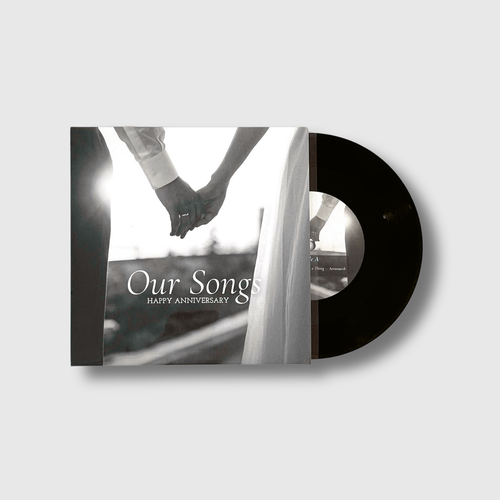
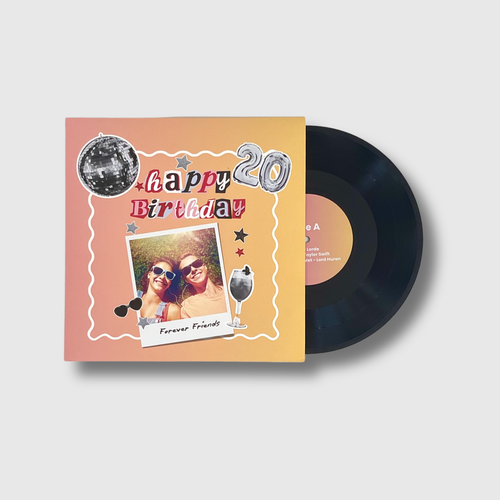
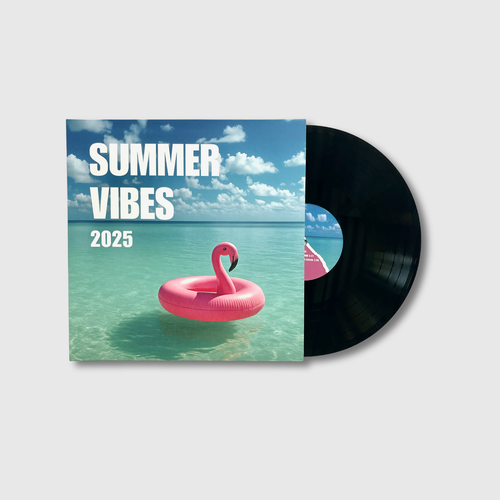
A standard pressed record already offers a kind of permanence most digital purchases can't match. A custom lathe-cut record goes further. It isn't one of thousands pulled from the same factory mould. It is cut individually, made for a particular person, occasion or moment.
This is what customers tell us, in their own words, when they explain why they chose to make something physical. In a landscape of vanishing digital libraries and algorithm-curated everything, a record cut specifically for you, carrying your music or your voice or your memory, sits about as far from "revocable" as an object can get. It is tangible evidence that something mattered enough to be made real.
The takeaway
Digital convenience is not going away, nor should it. But convenience and ownership have turned out to be two quite different things, and every disappearing game or pulled film is a small reminder of the gap between them. The more people notice that gap, the more they seem to want something they can actually hold.
A record is one of those things. It is yours. It will stay that way.
Ready to turn your own music, memories or milestone into something permanent? Visit our shop to get your record, cut individually, made to last.